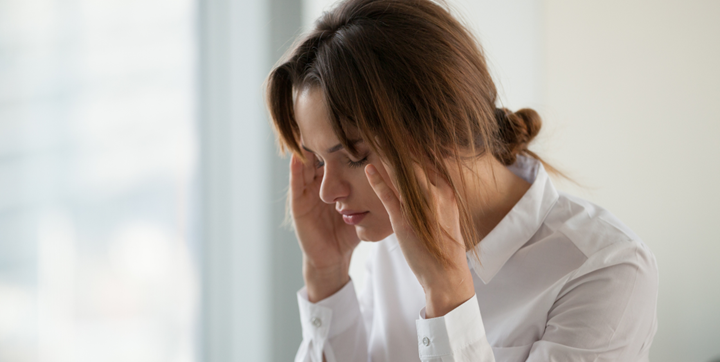
Changes on the scale during menopause can be frustrating, especially when your old routine no longer seems to work the same way. Lenexa menopause treatment can include a broader conversation about symptoms, health, and changes in body composition. For some women, that is also a good time to consider whether professional weight-management support could help.
- When Your Usual Routine Stops Giving You the Same Results
- Why Weight Can Feel Different During This Stage
- How We Look at Weight and Menopause Together
- What Can Professional Support Add?
- What We Hear From Women Going Through Midlife Changes
- Why Women Choose Midwest Hormone Centers
- Questions Women Often Ask Us
- Know When It’s Time to Stop Guessing
When Your Usual Routine Stops Giving You the Same Results
Many women don’t come to us because of one dramatic change.
It may start with a few pounds that are harder to lose. Clothes fit differently around the waist. Sleep has become less predictable, and finding the energy to exercise isn’t as easy as it once was.
At Midwest Hormone Centers, we’ve heard how frustrating that can be, especially for women who haven’t made major changes to their diet or lifestyle.
Menopause may be part of what is happening, but aging and changes in everyday habits can affect weight during midlife too.
That is why getting support can be useful when guessing on your own stops getting you anywhere.
Why Weight Can Feel Different During This Stage
Menopause marks the end of menstrual periods, while perimenopause is the transition leading up to it. During these years, changing estrogen levels can affect where the body stores fat. Aging also tends to bring changes in muscle mass and metabolism.
Then there is everyday life.
Poor sleep after a night of hot flashes can make an early workout less appealing. Stress can change eating habits. A busy schedule may leave less time for cooking or regular activity.
None of that means menopause automatically causes every extra pound.
When women ask us about menopause treatment in Lenexa, we also want to hear about sleep, activity, eating habits, medications, and other changes that happened around the same time.
Looking at those concerns together can help determine whether weight support deserves its own place in the conversation.
How We Look at Weight and Menopause Together
We start by finding out what has changed.
Maybe your weight has slowly increased over several years. Maybe the number on the scale isn’t very different, but your body composition feels different. Or perhaps you’ve already changed your diet and exercise habits without seeing the progress you expected.
Your health history matters too. Medications, existing medical concerns, previous attempts to lose weight, and your current routine can all provide useful information.
For patients interested in Lenexa weight management, our medically supervised process begins with an examination at our nearby Overland Park facility. From there, we can discuss nutrition, fitness, and other appropriate options based on your needs.
Menopause symptoms deserve their own attention. We don’t assume hormone therapy is a weight-loss treatment, nor should every midlife weight change be blamed on a hormone imbalance.
Some women also wonder whether something else could be contributing to changes in how they feel. If there are concerns about a hormonal deficiency in Lenexa, an evaluation can help determine whether further investigation is appropriate.
What Can Professional Support Add?
If you’ve already tried making changes on your own, professional support gives you somewhere to start. You can talk about what you’ve tried, what worked for a while, and what was difficult to maintain.
Follow-up matters too. Weight doesn’t usually move in a perfectly straight line, and menopause symptoms can change over time. Something that made sense six months ago may need another look.
Lenexa menopause treatment should remain focused on your health and symptoms. If weight has become part of that picture, it can be discussed without making the scale the only measure of progress.
What We Hear From Women Going Through Midlife Changes
Sometimes the concern isn’t simply, “I’ve gained weight.”
A woman may tell us that she’s exhausted because she keeps waking up at night. Someone else has noticed more weight around her middle even though the scale hasn’t moved much. Another has spent months exercising more and feels discouraged that her body seems to be responding differently.
Some patients also have questions that go beyond menopause and weight. Midwest Hormone Centers provides care for several areas of hormone health, including Lenexa growth hormone treatment, giving patients a place to discuss those concerns with a provider rather than trying to interpret symptoms on their own.
For women considering weight management in Lenexa, our Overland Park office is a short drive away. That gives local patients a place to discuss weight, menopause, and other wellness concerns with a healthcare team rather than sorting through conflicting information alone.
Why Women Choose Midwest Hormone Centers
Midwest Hormone Centers was founded in 2015 by Theo Felts, M.D., and has continued serving patients in the Kansas City area since then.
Dr. Felts is board-certified by the American Board of Family Medicine and has more than 25 years of medical experience, including work in bioidentical hormone replacement and weight loss medicine. Our team also includes advanced practice providers whose areas of care include hormone therapy and weight management.
Our website also shares feedback from patients about their experiences. One patient, Amy G. of Lawrence, described the center as caring, helpful, and informative and said she learned things she had not previously known about menopause and life after it.
Patients should understand why an option is being considered, what it is intended to address, and whether it fits their individual health needs.
Questions Women Often Ask Us
Is weight gain during menopause normal?
Weight changes are common during midlife, but menopause isn’t the only factor. Aging, loss of muscle mass, activity, sleep, eating habits, stress, and hormonal changes may all contribute. Menopause can also influence where body fat is stored.
Will hormone therapy help me lose weight?
Hormone therapy is not a weight-loss treatment. It may be considered for appropriate menopause symptoms after an individual medical evaluation, but weight concerns generally need their own strategy.
Do I need lab testing before starting?
That depends on your circumstances. Your provider can decide whether testing would add useful information based on your symptoms, medical history, medications, and other factors.
Know When It’s Time to Stop Guessing
You don’t have to wait for weight changes to become overwhelming before asking for help.
If your old routine isn’t working like it used to, menopause symptoms are interfering with healthy habits, or you’re simply unsure why your body seems to be changing, Lenexa menopause treatment can begin with a conversation about what’s actually happening.
At Midwest Hormone Centers, we can look at your symptoms, health history, lifestyle, and weight concerns without assuming they all have one cause.
Contact our Overland Park location near Lenexa to schedule an evaluation and talk about what kind of support may make sense for you.
Want to talk hormones? Reach out to us online at Midwest Hormone Centers to fill out a form or call us at:
Overland Park – (913) 218-0024
Lawrence – (785) 424-7302
Independence – (816) 832-8137
We help women. We help men. We help people feel like themselves again.
We listen. We test. We build a plan that actually works. 
We’re here to help you feel balanced, energized, and back in control.
Follow us on Facebook for insights, real stories, and wellness tips that make a difference.


